
Final Research Papers
Discover research papers produced by our student grantees exploring critical healthcare issues, including pricing transparency, nurse staffing ratios, the “hidden tax” burden in American healthcare, and the use of readmission rates as a quality metric in vascular surgery.
___________________________________________
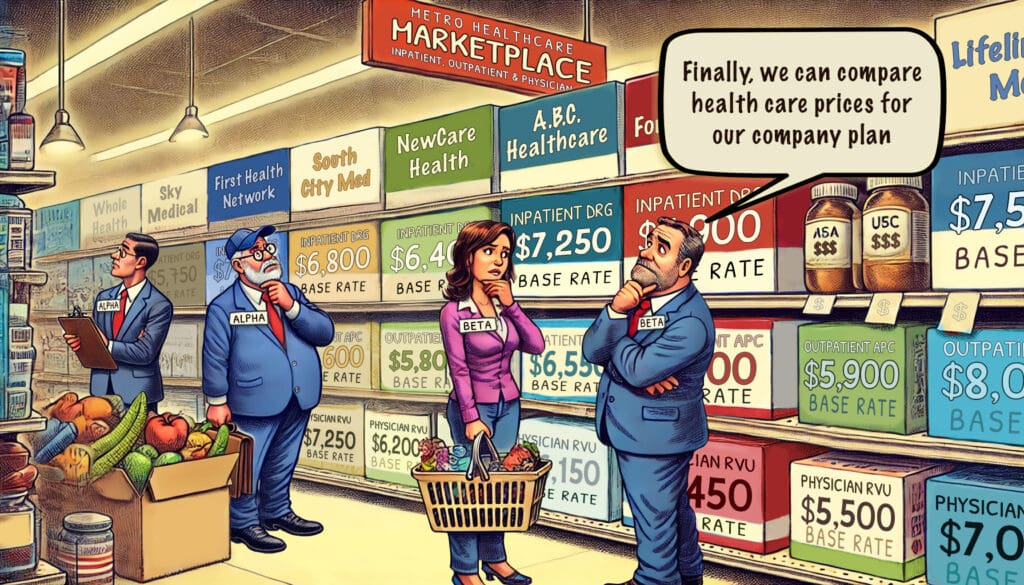
Price Transparency and National Base Rate System
Rachel Karman, Emory University MPH
This paper explores under appreciated opportunities in healthcare price transparency. The student’s research concludes that if healthcare systems adopt the existing national system (like ones used by Medicare and commercial insurers today) and publish their base rates, then the existing base rate system can be leveraged by buyers, particularly employers and employees, to facilitate real comparative price analysis.
___________________________________________
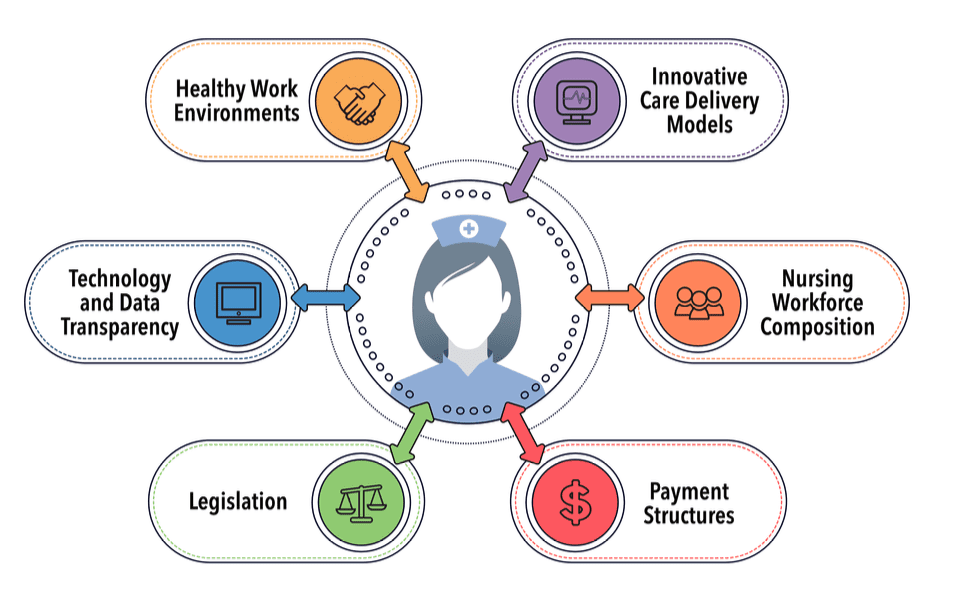
Exploring the Complexity of Staffing Ratios
Raveesh Batra, BSN, RN, Georgia State University MHA/MBA
State nursing organizations, legislators, and patient safety experts have been advocating for safe staffing requirements for several years. In many parts of the country, staffing is suboptimal, and these conditions drive nurses away from working at the bedside. Some states use legislation to set staffing standards. This student’s research examines various benefits and drawbacks of mandated legislation for nurse-to-patient ratios and explores additional strategies health systems can pursue to achieve safe staffing.
___________________________________________
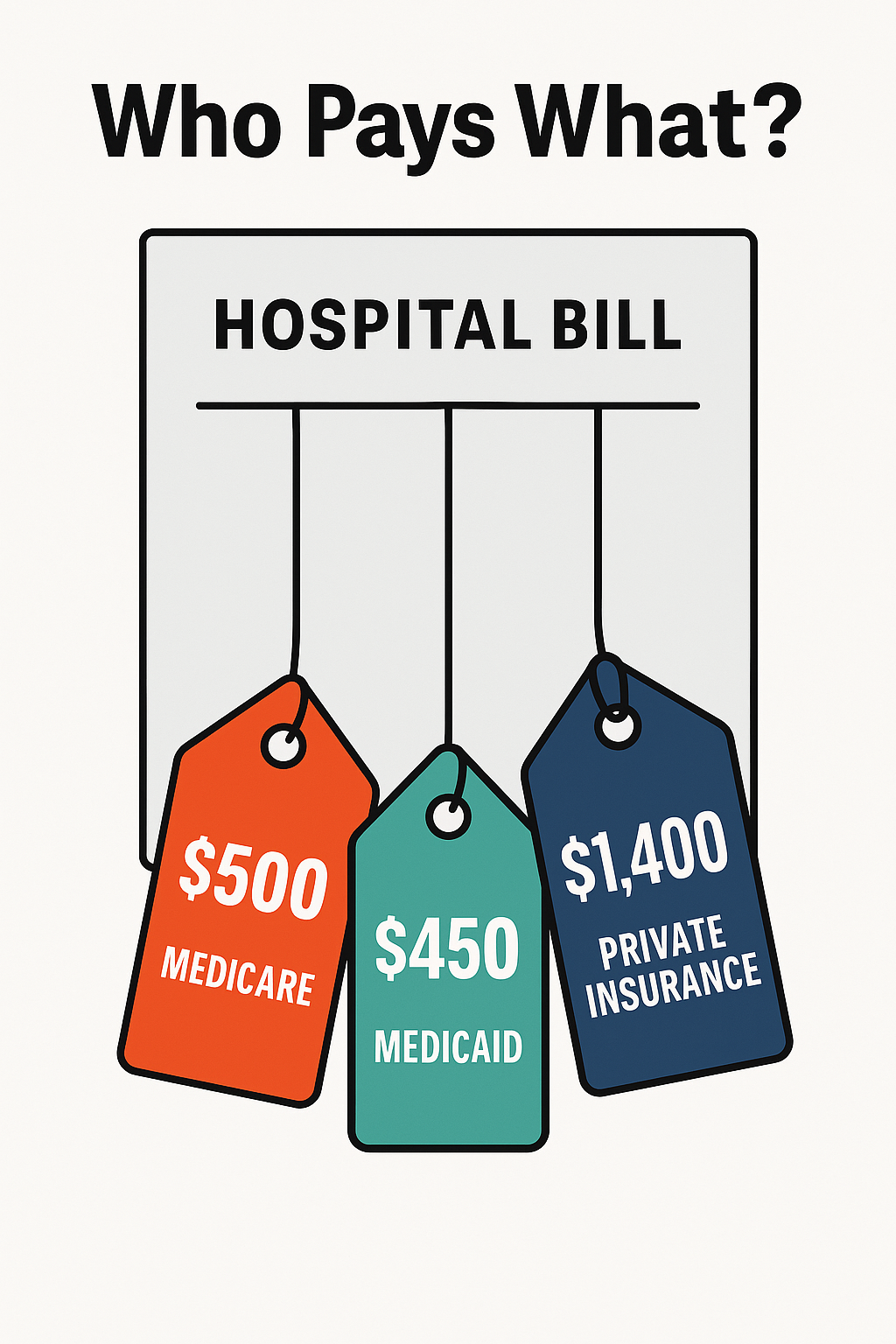
The Hidden Tax in American Healthcare - How Employers Subsidize Public Payers
Charulatha Gururaj, Emory University MPH
Hospitals across the U.S. have always deemed the higher prices charged to private insurance as a “necessary” cross-subsidy for Medicare and Medicaid payment shortfalls. A critical economic question is whether this dynamic creates a hidden and underappreciated economic “tax” burden on employers and privately insured individuals, who at times unknowingly subsidize government insurance program shortfalls by paying inflated prices in the private system. In this paper, the student discusses how this payment gap evolved over time alongside changes in the delivery system and payer mix.
___________________________________________

Hospital Readmission Rates as an Outcome Quality Metric in Vascular Surgery
Adriana Gutierrez Yllu, MD, Emory University MPH
Outcome quality metrics are used to guide improvement efforts and support decision‑making regarding patient care and resource management. However, these metrics are only useful when their purpose is clearly defined and are applied appropriately. Readmission rates after vascular surgery exemplify the promise and pitfalls of outcome measurement. This narrative review aims to synthesize the intended role, challenges, limitations, and opportunities for future directions of readmissions as outcome metric in vascular surgery.
___________________________________________

Shaelyn Rashoff, Emory University MPSH Health Services Research
As the Baby Boomer generation reaches and surpasses retirement age, the United States must adapt to a growing aging population. While adults over age 65 represented just 4.7% of the population in 1920, they now account for nearly 18%. Growth will continue to accelerate in the upcoming decades, with the number of older individuals expected to double from 35 million in 2000 to 71 million in 2030. By 2050, adults over 65 will make up nearly a quarter of the United States population. As such, there will be consistent and greater demand for healthcare and long-term care services.